These statements have not been evaluated by the Food and Drug Administration. This product is not intended to diagnose, treat, cure, or prevent any disease. If you take any prescription medication, are managing diabetes, or are pregnant or breastfeeding, talk to a doctor before adding berberine to your routine.

Berberine is a relatively unknown health supplement, especially when you consider how much research exists on it. Berberine is a plant alkaloid found in a number of traditional medicinal botanicals, including Berberis species, Coptis, and the Amur cork tree — LiftMode's Berberine HCl is sourced from Phellodendron amurense (Amur cork tree) bark, and it's traditionally used to help support already-healthy blood sugar levels. It has a substantial amount of human research behind it for a single-ingredient supplement.
Because berberine has been used and studied for so long, its side effects sometimes get overlooked. Berberine is generally well tolerated by healthy adults, but "well tolerated" doesn't mean side-effect-free, and there are a few things worth knowing before you start. That's what we'll cover here — along with three stacks we like for getting more out of your berberine routine.
Known Benefits, Briefly:
Berberine's research base centers mostly on metabolic health: supporting healthy blood sugar levels already within normal range, healthy cholesterol and triglyceride levels, and a growing body of research on weight management as part of an overall healthy lifestyle [1][2][3][4]. See our companion article, "Berberine for Weight Management," for a full breakdown of what the clinical research shows.
Early research, so far in animal and lab studies rather than human trials, also suggests Berberine may help relax vascular smooth muscle, which is part of why it's of interest for circulatory support alongside its blood sugar and lipid effects [5].
Berberine Side Effects to Look Out For:
Digestive discomfort - This is the most commonly reported side effect in clinical trials — mild bloating, cramping, gas, diarrhea, or constipation, especially when starting out or at higher servings. Taking berberine with meals and starting at a lower serving typically helps.
Additive effects with blood sugar medication - Because berberine may lower blood sugar, combining it with diabetes medication could push levels lower than intended. Anyone on blood sugar medication should loop in their doctor first.
Liver-metabolized drug interactions - Berberine is processed by the liver and can interact with a range of medications metabolized the same way. Review your medication list with a doctor or pharmacist before starting.
Not recommended in pregnancy or while breastfeeding - This is a standard precaution across berberine products, including ours.
Lower blood pressure - Some research suggests berberine may modestly affect blood pressure, which is worth knowing if you're already on blood pressure medication.
None of this is unusual for this supplement, and while most people tolerate standard servings without issue, ”generally well tolerated" is a description of what clinical trials have observed, not a guarantee, you should always check with your doctor first.
Three Berberine Stacks to Boost the Benefits

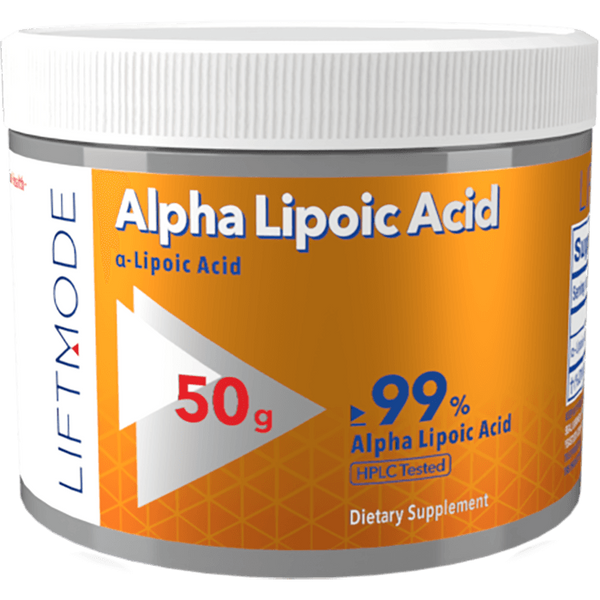
1. Berberine + Alpha-Lipoic Acid (ALA) — Blood Sugar & Antioxidant Support
ALA is a naturally occurring antioxidant that's both water- and fat-soluble, and is traditionally used to support healthy metabolism and help restore other antioxidants like glutathione. Pairing it with berberine gives you a metabolic-support ingredient alongside an antioxidant that works through a different mechanism, or two angles targeting the same broader goal.

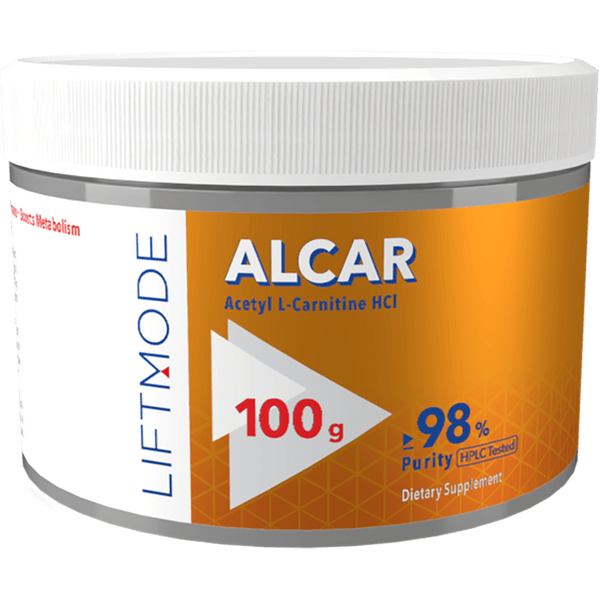
2. Berberine + ALCAR (Acetyl L-Carnitine) — Metabolism & Energy
ALCAR is an amino acid compound the body already produces, known for supporting cellular energy metabolism. Stacking ALCAR with berberine pairs Berberine's metabolism support, with ALCAR's role in energy production, which is a common combo for people focused on daily energy alongside metabolic health.

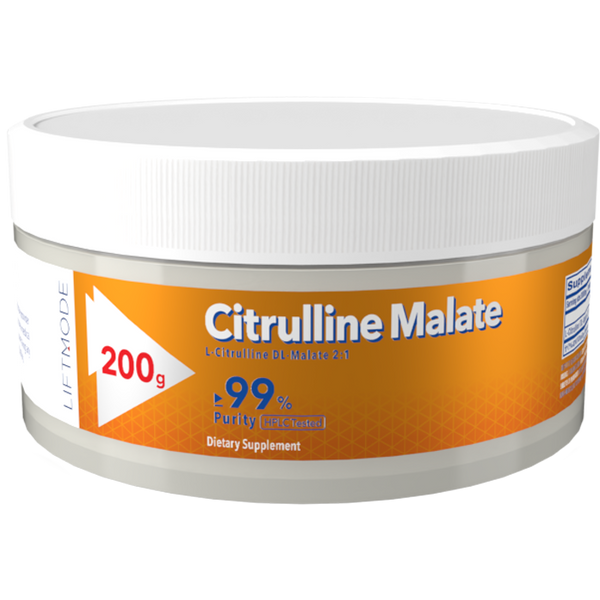
3. Berberine + L-Citrulline — Metabolic & Circulatory Support
L-Citrulline supports the body's natural nitric oxide production, which plays a role in healthy circulation. Combined with Berberine's own early-stage research around vascular smooth muscle and its broader metabolic and cardiovascular-adjacent effects, this stack is a good fit for anyone thinking about metabolic health and circulatory support together.
As with any stack, start each ingredient at its own lowest suggested serving before combining, so you know how you individually respond to each one.
Stack-Specific Safety Notes
Berberine + ALA - Both berberine and alpha-lipoic acid can lower blood sugar on their own, so combining them may have an additive effect. This is worth extra attention if you're on blood sugar medication or otherwise manage blood sugar closely.
Berberine + L-Citrulline - Both may modestly affect blood pressure and circulation. If you're on blood pressure medication, nitrates, or a PDE5 inhibitor (such as sildenafil), talk to your doctor before combining these, since the effects could add up.
Combining multiple new ingredients - The more ingredients you introduce at once, the harder it is to tell what's causing what if something feels off. Layering in one ingredient at a time, as noted above, applies especially here.
What LiftMode Customers Are Asking about Berberine (FAQ’s)
Most of the clinical research on berberine runs 8–12 weeks. If you're planning on longer-term use, it's worth periodically checking in with your doctor, especially if you're also managing a health condition.
It can, especially at first. Taking it with food and starting at a lower serving (around 500mg) is the most common way people avoid GI discomfort.
Many customers do — the three stacks above are a good starting point. As always, if you're combining several supplements or medications, a quick check-in with your doctor or pharmacist is a good idea.
No. Berberine is a dietary supplement, not a prescription drug, and it isn't intended to treat, cure, or replace medication for any diagnosed condition.
REFERENCES:
- 1. Pirillo A, Catapano AL. Berberine, a plant alkaloid with lipid- and glucose-lowering properties: From in vitro evidence to clinical studies. Atherosclerosis. 2015. PMID: 26520899
- 2. Och A, Och M, Nowak R, et al. Berberine, a Herbal Metabolite in the Metabolic Syndrome. Molecules. 2022. PMID: 35209140
- 3. Tabeshpour J, Imenshahidi M, Hosseinzadeh H. A review of the effects of Berberis vulgaris and its major component, berberine, in metabolic syndrome. Iran J Basic Med Sci. 2017. PMID: 28656091
- 4. Liu D, Zhao H, Zhang Y, Hu J, Xu H. Efficacy and safety of berberine on the components of metabolic syndrome: a systematic review and meta-analysis of randomized placebo-controlled trials. Front Pharmacol. 2025. PMID: 40740996
- 5. Ko WH, Yao XQ, Lau CW, et al. Vasorelaxant and antiproliferative effects of berberine. Eur J Pharmacol. 2000. PMID: 10884519 (animal/in vitro study)"
These statements have not been evaluated by the Food and Drug Administration. This product is not intended to diagnose, treat, cure, or prevent any disease. If you take any prescription medication, are managing diabetes, or are pregnant or breastfeeding, talk to a doctor before adding berberine to your routine.