These statements have not been evaluated by the Food and Drug Administration. This product is not intended to diagnose, treat, cure, or prevent any disease. Talk to your doctor before adding any new supplement to your routine, especially if you're pregnant, nursing, taking medication, or managing a diagnosed respiratory condition.
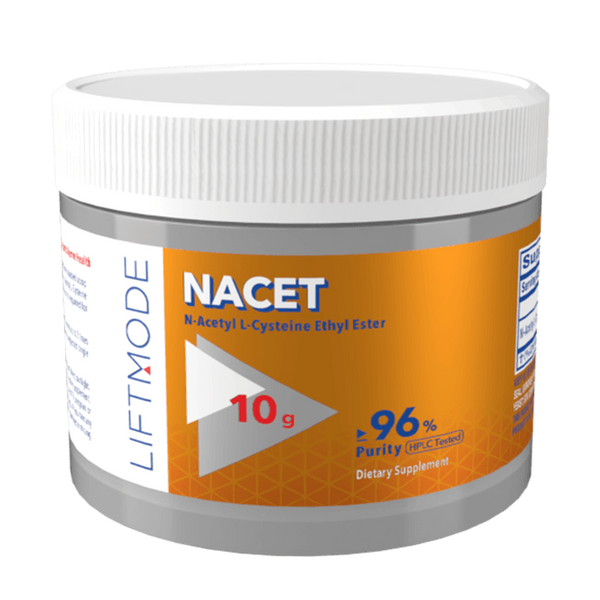
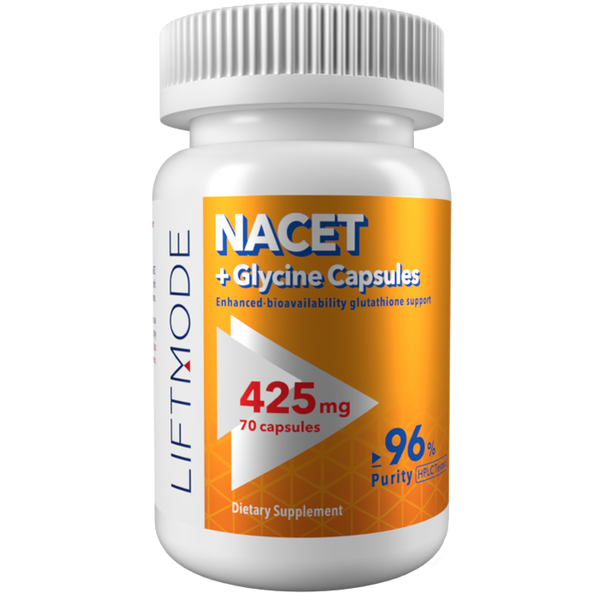
N-Acetyl Cysteine — NAC — is a derivative of the amino acid L-cysteine, and its main job in the body is acting as a precursor to glutathione, one of the most important antioxidants your cells produce on their own. Glutathione does a lot of quiet work: neutralizing oxidative stress, supporting normal detoxification processes in the liver, and generally keeping cellular stress in check [1][2].
My Introduction to NAC, and How It Made Me Feel

I had never heard of NAC before I learned about it as an employee of LiftMode.com. Shortly after I began taking it as part of my own supplement routine, I noticed a real difference in how I felt day to day — more energy, and a general sense of feeling clearer and more comfortable. That personal experience is what got me interested enough to dig into the research behind it and understand why it's held such a long-standing place in the antioxidant-support category. I've recommended it to anyone who was curious about our supplements for general respiratory comfort, and the feedback has been positive.
(Individual results vary — my experience is anecdotal, and the customer feedback we've heard reflects individual experiences too, not a guarantee of how NAC will affect any other person.)
Why People Reach for It
NAC is one of the more established compounds in the antioxidant-support category, largely because glutathione support touches so many systems at once. We hear from customers who take it as a general antioxidant staple, and others who are specifically interested in respiratory comfort — mucus in the airway is partly held together by chemical bonds that NAC is well known for helping to break down, which is part of why it's had a long history of interest in respiratory wellness circles [3][4].
We want to be precise about what that means: NAC supports the body's normal antioxidant defenses and respiratory comfort. It is not a treatment for any diagnosed respiratory condition, and nothing here should be read as a substitute for professional medical care.
Making It Part of Your Routine
Consistency matters more than timing with an antioxidant precursor like this — it's a daily-routine ingredient, not a rescue remedy. Pair it with the basics: hydration, air quality at home, and a conversation with your doctor if you're managing any ongoing respiratory concern.
A Few Safety Notes About NAC
NAC is generally well tolerated, but here's what's worth knowing before adding it to your routine. The most common issue people report is mild stomach upset, which tends to be less noticeable when taken with food.
Check with your doctor first if you take nitroglycerin or other nitrate medications, or blood thinners or other medications that affect clotting — NAC may have a mild effect on platelet function, so it's also worth mentioning to your doctor ahead of any planned surgery.
As with any supplement, talk to your doctor before use if you're pregnant, nursing, taking medication, or managing an ongoing health condition. NAC isn't intended for children, and none of this replaces your doctor's guidance, especially if you're managing a diagnosed respiratory condition.
What LiftMode Customers Are Asking (FAQ’s)
That's normal — it's related to NAC's sulfur-containing chemical structure (it's a cysteine derivative), not a sign the product has gone bad.
Most customers take it with food to minimize any stomach upset. Since it's a daily-routine ingredient rather than a fast-acting one, consistency matters more than exact timing.
Antioxidant and respiratory-comfort benefits tend to build gradually with regular use rather than showing up immediately — most people give it several weeks before evaluating how it's working for them.
Many customers use it as an ongoing daily staple. If you're managing a diagnosed respiratory condition or taking medication, check in with your doctor about long-term use alongside your treatment plan.
REFERENCES:
- 1. Aldini G, Altomare A, Baron G, et al. N-Acetylcysteine as an antioxidant and disulphide breaking agent: the reasons why. Free Radic Res. 2018. PMID: 29742938
- 2. Raghu G, Berk M, Campochiaro PA, et al. The Multifaceted Therapeutic Role of N-Acetylcysteine (NAC) in Disorders Characterized by Oxidative Stress. Curr Neuropharmacol. 2021. PMID: 33380301
- 3. Santus P, Corsico A, Solidoro P, et al. Oxidative stress and respiratory system: pharmacological and clinical reappraisal of N-acetylcysteine. COPD. 2014. PMID: 24787454
- 4. Sadowska AM, Verbraecken J, Darquennes K, De Backer WA. Role of N-acetylcysteine in the management of COPD. Int J Chron Obstruct Pulmon Dis. 2006. PMID: 18044098
These statements have not been evaluated by the Food and Drug Administration. This product is not intended to diagnose, treat, cure, or prevent any disease. Talk to your doctor before adding any new supplement to your routine, especially if you're pregnant, nursing, taking medication, or managing a diagnosed respiratory condition.